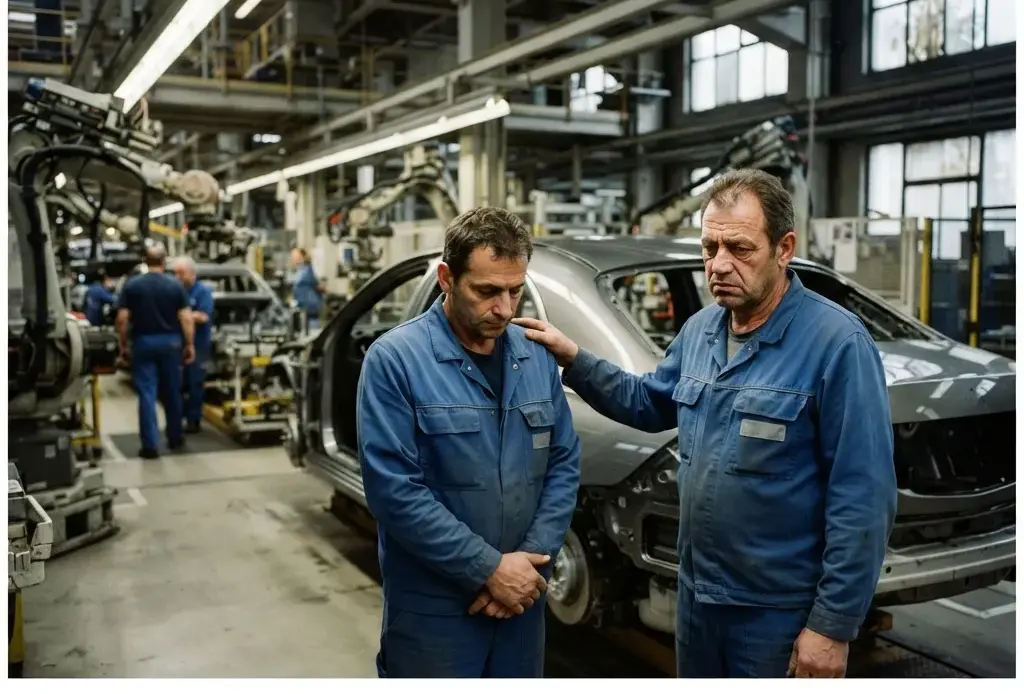
Mercedes-Benz has sent shockwaves through the German automotive sector by announcing a total freeze on new investments across its domestic facilities. In a blunt internal memo shared via the company intranet, board member Michael Schiebe revealed that the executive team has collectively decided to stop pouring capital into their home soil for the time being. The decision does not end there, as leadership admitted they are now seriously weighing the possibility of closing several plants entirely.
Company executives point toward a crushing disparity in operational costs as the primary driver behind these drastic measures. According to Schiebe, who serves as the chief production officer, labor expenses in Germany can be up to five times higher than those found in Eastern European factories. Board member Britta Seeger echoed this sentiment, stating that while the firm desperately wants to avoid shutting down sites, they are now forced to conduct detailed reviews to determine which locations remain financially viable.
This retreat from domestic investment comes during a perfect storm of economic headwinds. The brand has seen a sharp decline in its most critical market, China, where sales plummeted by roughly 19 percent in 2025 as local preference shifted away from foreign luxury marques. This slump is compounded by a cooling global appetite for electric vehicles and fierce competition from lower-cost Chinese imports, leaving Mercedes caught between expensive legacy infrastructure and an unpredictable future.
External political pressures have further eroded the bottom line, specifically regarding trade tensions with the United States. The company estimated that tariffs imposed under President Donald Trump stripped away approximately one billion euros in profit over the last year alone. As Mercedes struggles to pivot, it finds itself mirroring a wider crisis gripping other heavyweights like Volkswagen and BMW, signaling a period of profound instability for Germany’s industrial crown jewels.